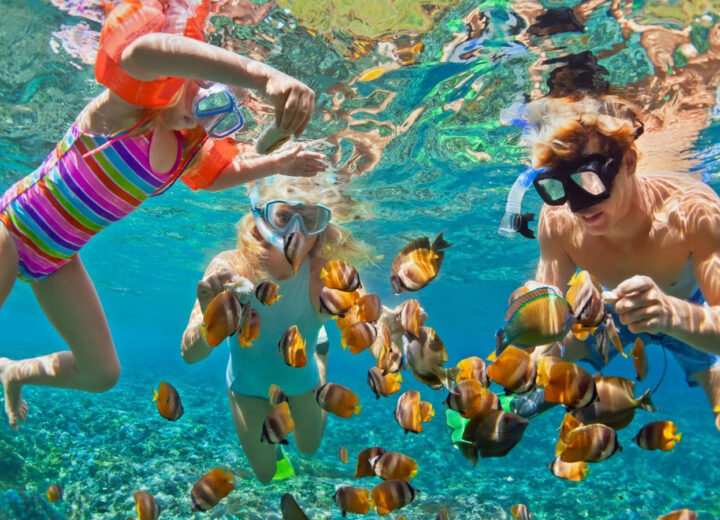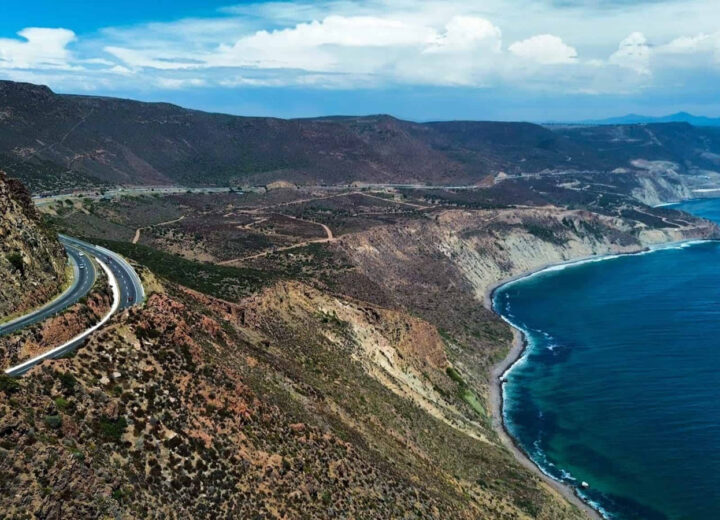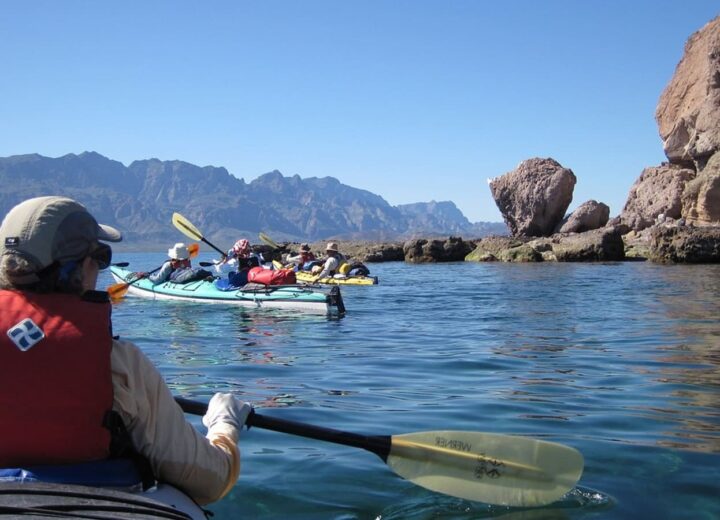

The water in Loreto’s marine park is clear, warm for much of the year and shallow near the islands. That means snorkeling here takes no experience and no gear of your own: with a mask, snorkel and vest you will see as much life as on many dives. These are the spots that work, and the conditions that make them work.
The best snorkeling spots
Isla Coronado, south face
The place for a first time. You walk in from a white sand beach, the bottom slopes down slowly and within a few yards the rock begins, with damselfish, wrasse, Cortez angelfish and schools of sardines. No current, no swell.
Coronado’s north point
A sea lion colony. You watch from the boat and, when conditions and regulations allow, from the water at a distance. The juveniles are curious; adult males are given room and left alone.
West coast of Isla Danzante
Rock walls dropping thirty to fifty feet, caves at water level and sea fans. It is the most interesting spot for anyone who has snorkeled before. It is usually sheltered from the wind.
Banks and rocky reefs
There are several banks inside the park where the bottom rises sharply and concentrates life: parrotfish, moray eels, lobster in the cracks and, with luck, a sea turtle. They are reachable only by boat and are best visited with a guide.
The town beach
Not spectacular, but useful for testing your gear or keeping the kids busy without getting on a boat. Best early, when the water is still.
Diving
For scuba, the park’s sites offer high visibility from June through November, sometimes more than sixty feet, and water between 79 and 84 degrees in late summer. There are walls, pinnacles and a couple of sunken structures. Shallow sites work for certification courses, and sites with current suit experienced divers. Everything runs through an authorized dive center; book through experiences.
When to go
- June to November: warm water and peak visibility. The best season, no argument.
- April and May: water still cool but very calm seas and fewer people.
- December to March: doable in a wetsuit. Water drops to the mid-60s and north winds can build swell in the afternoon.
How to do it right
- Mineral sunscreen or a rash guard. Chemical filters damage the reef and are discouraged inside the park.
- Touch nothing. Coral and sea fans take years to grow and break with one kick.
- Do not feed fish or chase wildlife. If an animal comes close, it is because nobody chased it.
- Take no shells or starfish. It is prohibited inside the national park.
- Float flat and breathe slowly. Most people see more once they stop moving.
Gear and logistics
Trips include a mask, snorkel, fins and vest. Anyone who owns a mask will appreciate the better fit. Outings leave the marina in the morning, ten minutes from our rooms, and return mid-afternoon. To decide which island to visit, see the guide to the islands.
How to read the conditions
A good snorkel depends less on the site than on the moment. Three things to check before getting in: the wind, because if small waves are breaking on shore the visibility has already dropped; the tide, since an incoming tide brings clear water from open sea; and the hour, because a high sun lights up the bottom and brings out colors that look gray at first light.
The best combination is mid-morning with an incoming tide and calm wind. In summer that happens almost every day; in winter you check the forecast each morning. If the north wind builds swell, switch sides of the island before switching plans: the sheltered face is usually calm.
Frequently asked questions
Do I need to know how to swim?
With a life vest in shallow water, no. At Coronado you can stand up.
What animals will I see?
Colorful reef fish, schools of sardines, sea lions, rays, sea turtles and, depending on the season, mobula rays and dolphins from the boat.
Can you snorkel in winter?
Yes, in a wetsuit. The water is cold but visibility is still good.
Is there any risk from currents?
Not at the usual snorkeling spots. The banks and the channels between islands can have current, and those are done with a guide.
Can you get scuba certified in Loreto?
Yes, authorized dive centers run entry-level courses at shallow sites inside the park.